
Nome Nugget
News publisher · Published updates on OlenHub- Two Bering Strait children taken to Carlisle boarding school over a century ago return home ↗
- At Anvil City Science Academy, learning goes analog ↗
- Five Nanooks compete at State cross country running championships in Anchorage ↗
- Long-billed Dowitcher––another fascinating shorebird in decline ↗
- Do you worry about foreign interference in the midterm elections? ↗
- National Newspaper Week celebrates local newspapers ↗
- Municipal elections hold no surprises ↗
- Flight embargos and USPS staffing issue slow down mail, movement of goods ↗
- Teller celebrates its 20th Teller Cultural Festival ↗
- Do you actively follow what your local government is doing? ↗
- Municipal elections: Two NJUS board candidates state their case ↗
- Council tables pulltab ordinance overhaul ↗
- Troopers investigate death in Elim ↗
- Nanooks will send five to XC running state championships ↗
- ANSEP starts second year in a new location ↗
- Short-tailed Shearwater–– a tube-nosed seabird that connects Australia and the Bering Sea ↗
- Alaska Air Cargo embargoes freight to Nome ↗
 The Nome NuggetAt Anvil City Science Academy, learning goes analog
By Ariana Crockett O'Harra In Rachel Ventress’ writing class on September 23 at Anvil City Science Academy, middle schoolers pulled papers out of binders and pencils out of cases, along with their thick assignment packets. “Today, your task is that you complete page 21, the self-review,” she says to the chattering kids. “You are going to make changes on your draft, on your writing, and then record what changes you've made to your writing on page 21.” The kids are working on a story about a big event in their life. When starting their second drafts, about half the kids in the class pulled out pencils and paper instead of laptops. This is new. Last year, everyone would have been on laptops. Now, the students were typing the second draft of their papers into their computers. “You'll see some people typing, some are handwriting, but they all have a handwritten draft, which is different than how we've ever done it before,” said Ventress. In past years, students would brainstorm and plan on paper, then switch to computers for drafting. They would make edits to their drafts on computers. This year, every step up to the second draft was done on paper. The change is a deliberate one. Teachers at Anvil City Science Academy, ACSA for short, noticed that students were easily distracted when using laptops, and they were missing out on valuable skills gleaned from using pen and paper – notetaking, using reference books and picking through texts. Ventress and science teacher Keane Richards spearheaded the change. Ventress remembers the advent of digital device use in classrooms. First, it was a shared cart of computers that teachers could check out, then an iPad for every kid. With online education aids like Google Classroom, it became the popular thing for teachers to have assignments turned in online and complete classwork on computers. When the COVID-19 pandemic hit, there was a push to make sure every home had access to the internet, and every student had a device they could use to learn online. “I feel like COVID may be the hammer that cracked the already cracked shell,” Ventress said. It exposed what was already an undercurrent of erosion and learning, and accelerated it, she said. Richards and Ventress both note that computers are distracting, a sort of “black hole” for a kid’s attention. “When you open up a computer, it can do a million things, right? We're asking you to do maybe one thing on that computer. That can be really difficult for a lot of students,” said Richards. Principal Ayden Wickman is onboard, too. When students are writing with pen and paper, they go slower, and that purposeful and slow movement increases the brain’s ability to process knowledge. “The research is really clear that this slow, purposeful way of learning increases this brain's ability, especially a developing brain, to retain and work with this new cognitive information that they're gaining,” he said. Part of the specific reasoning to take the essay process analog was that students did not have enough planning work done when they started typing. Students would get distracted and mess around. “Let's get that those creative juices flowing without the distractions,” she said. “And then when they go to type, they’ll be more focused.” Once students got to a certain point in the process, Ventress gave them the option to type or handwrite their papers. “I was surprised by how many students declined to even attempt to type when that was an option,” she said. ACSA’s students had mixed opinions on the change. Willis Breuker said it took more time to handwrite his first drafts. Typing is easier. “I prefer typing more. Also, my handwriting's pretty bad,” he said. Kourtney Bogart said that she liked that the students were handwriting more. “I feel like it's easier, and I'm not as distracted as when I'm typing,” she said. “It just feels easier when I'm handwriting.” Max Pardee noted that handwriting helped ideas flow faster. “Whenever I'm typing, I just kind of type it,” he said. “Whenever I'm writing, just stuff starts naturally coming to me faster than looking at a screen while I'm just typing.” There’s another benefit to handwriting, too. “My handwriting's not the best, and I kind of need to work on that,” he said. “So, I think this is going to be a good opportunity for me to work on my handwriting.” Lexi Blandford said that she was less distracted when handwriting. Revising was easier this time, too. “Although it's like a longer process, I feel like it's better for our learning because a lot of people need to like work on their handwriting a lot more,” she said. “I feel like this helps us learn better.” Ventress said that it’s not that the teachers are anti-technology. “It's that we want to be more intentional about how technology is used, why we're using it, and what the benefits that we hope to get out of tech use, and incorporating that into the classroom,” she said. The analog extends beyond writing essays. Ventress and Richards plan to have students design science fair projects on pen and paper. Richards purchased a set of reference books for his classroom. Ventress got an encyclopedia set. Every Wednesday, Richards takes his students outside. They collect data and record observations, all in a physical logbook. When they read materials or work on coursework, he tries to have it be on paper as much as possible. There are benefits to this beyond just getting off a laptop – kids can highlight articles and mark them up. Scientists with lab notebooks and field notes use pen and paper to note down careful observations during experiments or out in the field. “That is really a kind of a lost art and skill with today's generation. We don't need to do that on a computer,” Richards pointed out. “In fact, we're not going to be carrying our computers out there anyway. So why should we prioritize that sort of writing on a computer?” ACSA is a tech-focused school, but Richards said it’s important to remember that technology and screens are not the same thing. Students might log scientific observations in a spreadsheet on a computer, but technology extends beyond that. Trail cameras, permafrost probes and other tools for scientific inquiry are all forms of technology that are vital parts of the scientific process, and they’re forms of technology Richards wants his students to be comfortable using. Richards said it isn’t necessary to teach kids how to access the internet. “Trust me, they know how to get to Google Classroom. They can access a website,” he said. “We do not need to worry about those skills with today's generation. I think we need to scale it back the other direction.” After the pandemic, there was a dramatic decrease in student focus and performance. Part of that, Richard thinks, is that students were online and weren’t able to access the kinds of learning they would have had in the classroom. There was no in person one-on-one instruction, no writing by hand, students weren’t reading physical books. “It was pretty obvious when, after the pandemic, students arrived back into the classroom that we just had a tremendous amount of work to do,” he said. Navigating online spaces has become harder as the available information to sift through online grows. “I would say certainly literacy has declined sharply, and our ability to pick through what is true and what is not true it just so much harder now because there's so much information,” said Richards. “As a teacher, we're trying to teach those sort of skills.” He listed off a list of questions he wants students to be able to answer: “When we're researching, how do we find information? How do we verify that that information is true or weigh the claims that are in there? How do you know? How do we collect evidence?” It’s not that technology or even the use of laptops is all bad, but Richards said it has to be used in accordance with the educational institution’s goals. “In education, what are we trying to accomplish, and how do we get there? And if we are merely using electronics just because, then I think we need to step away from that and refocus in on what forms of technology are really going to accomplish that goal,” Richards said. Section: Education
The Nome NuggetAt Anvil City Science Academy, learning goes analog
By Ariana Crockett O'Harra In Rachel Ventress’ writing class on September 23 at Anvil City Science Academy, middle schoolers pulled papers out of binders and pencils out of cases, along with their thick assignment packets. “Today, your task is that you complete page 21, the self-review,” she says to the chattering kids. “You are going to make changes on your draft, on your writing, and then record what changes you've made to your writing on page 21.” The kids are working on a story about a big event in their life. When starting their second drafts, about half the kids in the class pulled out pencils and paper instead of laptops. This is new. Last year, everyone would have been on laptops. Now, the students were typing the second draft of their papers into their computers. “You'll see some people typing, some are handwriting, but they all have a handwritten draft, which is different than how we've ever done it before,” said Ventress. In past years, students would brainstorm and plan on paper, then switch to computers for drafting. They would make edits to their drafts on computers. This year, every step up to the second draft was done on paper. The change is a deliberate one. Teachers at Anvil City Science Academy, ACSA for short, noticed that students were easily distracted when using laptops, and they were missing out on valuable skills gleaned from using pen and paper – notetaking, using reference books and picking through texts. Ventress and science teacher Keane Richards spearheaded the change. Ventress remembers the advent of digital device use in classrooms. First, it was a shared cart of computers that teachers could check out, then an iPad for every kid. With online education aids like Google Classroom, it became the popular thing for teachers to have assignments turned in online and complete classwork on computers. When the COVID-19 pandemic hit, there was a push to make sure every home had access to the internet, and every student had a device they could use to learn online. “I feel like COVID may be the hammer that cracked the already cracked shell,” Ventress said. It exposed what was already an undercurrent of erosion and learning, and accelerated it, she said. Richards and Ventress both note that computers are distracting, a sort of “black hole” for a kid’s attention. “When you open up a computer, it can do a million things, right? We're asking you to do maybe one thing on that computer. That can be really difficult for a lot of students,” said Richards. Principal Ayden Wickman is onboard, too. When students are writing with pen and paper, they go slower, and that purposeful and slow movement increases the brain’s ability to process knowledge. “The research is really clear that this slow, purposeful way of learning increases this brain's ability, especially a developing brain, to retain and work with this new cognitive information that they're gaining,” he said. Part of the specific reasoning to take the essay process analog was that students did not have enough planning work done when they started typing. Students would get distracted and mess around. “Let's get that those creative juices flowing without the distractions,” she said. “And then when they go to type, they’ll be more focused.” Once students got to a certain point in the process, Ventress gave them the option to type or handwrite their papers. “I was surprised by how many students declined to even attempt to type when that was an option,” she said. ACSA’s students had mixed opinions on the change. Willis Breuker said it took more time to handwrite his first drafts. Typing is easier. “I prefer typing more. Also, my handwriting's pretty bad,” he said. Kourtney Bogart said that she liked that the students were handwriting more. “I feel like it's easier, and I'm not as distracted as when I'm typing,” she said. “It just feels easier when I'm handwriting.” Max Pardee noted that handwriting helped ideas flow faster. “Whenever I'm typing, I just kind of type it,” he said. “Whenever I'm writing, just stuff starts naturally coming to me faster than looking at a screen while I'm just typing.” There’s another benefit to handwriting, too. “My handwriting's not the best, and I kind of need to work on that,” he said. “So, I think this is going to be a good opportunity for me to work on my handwriting.” Lexi Blandford said that she was less distracted when handwriting. Revising was easier this time, too. “Although it's like a longer process, I feel like it's better for our learning because a lot of people need to like work on their handwriting a lot more,” she said. “I feel like this helps us learn better.” Ventress said that it’s not that the teachers are anti-technology. “It's that we want to be more intentional about how technology is used, why we're using it, and what the benefits that we hope to get out of tech use, and incorporating that into the classroom,” she said. The analog extends beyond writing essays. Ventress and Richards plan to have students design science fair projects on pen and paper. Richards purchased a set of reference books for his classroom. Ventress got an encyclopedia set. Every Wednesday, Richards takes his students outside. They collect data and record observations, all in a physical logbook. When they read materials or work on coursework, he tries to have it be on paper as much as possible. There are benefits to this beyond just getting off a laptop – kids can highlight articles and mark them up. Scientists with lab notebooks and field notes use pen and paper to note down careful observations during experiments or out in the field. “That is really a kind of a lost art and skill with today's generation. We don't need to do that on a computer,” Richards pointed out. “In fact, we're not going to be carrying our computers out there anyway. So why should we prioritize that sort of writing on a computer?” ACSA is a tech-focused school, but Richards said it’s important to remember that technology and screens are not the same thing. Students might log scientific observations in a spreadsheet on a computer, but technology extends beyond that. Trail cameras, permafrost probes and other tools for scientific inquiry are all forms of technology that are vital parts of the scientific process, and they’re forms of technology Richards wants his students to be comfortable using. Richards said it isn’t necessary to teach kids how to access the internet. “Trust me, they know how to get to Google Classroom. They can access a website,” he said. “We do not need to worry about those skills with today's generation. I think we need to scale it back the other direction.” After the pandemic, there was a dramatic decrease in student focus and performance. Part of that, Richard thinks, is that students were online and weren’t able to access the kinds of learning they would have had in the classroom. There was no in person one-on-one instruction, no writing by hand, students weren’t reading physical books. “It was pretty obvious when, after the pandemic, students arrived back into the classroom that we just had a tremendous amount of work to do,” he said. Navigating online spaces has become harder as the available information to sift through online grows. “I would say certainly literacy has declined sharply, and our ability to pick through what is true and what is not true it just so much harder now because there's so much information,” said Richards. “As a teacher, we're trying to teach those sort of skills.” He listed off a list of questions he wants students to be able to answer: “When we're researching, how do we find information? How do we verify that that information is true or weigh the claims that are in there? How do you know? How do we collect evidence?” It’s not that technology or even the use of laptops is all bad, but Richards said it has to be used in accordance with the educational institution’s goals. “In education, what are we trying to accomplish, and how do we get there? And if we are merely using electronics just because, then I think we need to step away from that and refocus in on what forms of technology are really going to accomplish that goal,” Richards said. Section: Education Read on nomenugget.comThe Nome NuggetFive Nanooks compete at State cross country running championships in Anchorage
By Ariana Crockett O'Harra Five Nanooks competed at the state DII cross country running championships in Anchorage last Saturday, October 2. Senior Granite Peacock was the best finishing Nanook, coming in 13th place with a time of 17:42. Gabe Tran placed 29th , with a personal best time of 18:48. Rowan Moore took 46th place with a time of 19:29. In all, 68 boys raced in the championship. With 63 girls starting their race, Noel Pardee took 39th with a time of 24:53 and Audrey Bruner-Alvanna placed 45th with a personal best time of 25:09. Saturday was a cold day, but not rainy, said Lahka Peacock, Granite’s father. The ground was in perfect condition – not too hard, not too soft. Granite admits to not having the race he wanted. The senior had been looking forward to his last cross country meet and wanted to place top five. The winner, Breyden Nottingham of Mountain City Christian Academy, finished in 16:20.4. At the Big West Region Championships held in Nome the previous weekend, Peacock placed second in a down-to-the-wire finish against Bethel’s Jackson Iverson. At state, Jackson took fifth with a time of 16:56.9 and his brother Cole took second, with a time of 16:44.5. Still, Granite is not too upset. “Obviously a little disappointed because it didn't go the way I wanted to go for my last race, but it was really fun,” he said. “It was a good trip with the teammates and the coaches for one last time.” The day of the race was cold, and Granite said it took effort to stay warm before his race. The course is a lot hillier than the course in Nome – lots of rolling hills versus one monster climb, but he said that Nome’s is still a little harder. “It's like people all over, just people cheering basically the whole race,” he said. “You're never really alone. You're either by people cheering or people you're racing against. A whole different atmosphere compared to Nome.” This was Granite’s last high school cross country race, and he is the only senior on the team for both boys and girls. He said his teammates worked extremely hard this year. “They could definitely do super good as a team next year since they're all young,” he said. “We have a bunch of sophomores and a lot of freshmen, too. So definitely a lot of potential with the group.” Despite not cinching the result he wanted, he said this season was his favorite ever. “The coaches, my teammates, just made it amazing,” he said. “Just because that one race didn't go the way I wanted to, isn't gonna make me want to quit because of that. I think it just makes me want to work a little bit harder.” This isn’t the end of his athletic career at Nome-Beltz. Granite is already prepping for his track season in the spring. “I got seven months ‘till track state, so I want to keep on training super hard and hopefully win a state title for track,” he said. Other notable finishes from the region were a 21st place for Avery Johnson of Unalakleet in the girls DIII race and 24th and 25th places for Joshua Smith and Dane Johnson, both of Unalakleet in the boys DIII race. For a full results list, head to https://www.athletic.net/CrossCountry/meet/284920/info Section: Sports
Read on nomenugget.comThe Nome NuggetFive Nanooks compete at State cross country running championships in Anchorage
By Ariana Crockett O'Harra Five Nanooks competed at the state DII cross country running championships in Anchorage last Saturday, October 2. Senior Granite Peacock was the best finishing Nanook, coming in 13th place with a time of 17:42. Gabe Tran placed 29th , with a personal best time of 18:48. Rowan Moore took 46th place with a time of 19:29. In all, 68 boys raced in the championship. With 63 girls starting their race, Noel Pardee took 39th with a time of 24:53 and Audrey Bruner-Alvanna placed 45th with a personal best time of 25:09. Saturday was a cold day, but not rainy, said Lahka Peacock, Granite’s father. The ground was in perfect condition – not too hard, not too soft. Granite admits to not having the race he wanted. The senior had been looking forward to his last cross country meet and wanted to place top five. The winner, Breyden Nottingham of Mountain City Christian Academy, finished in 16:20.4. At the Big West Region Championships held in Nome the previous weekend, Peacock placed second in a down-to-the-wire finish against Bethel’s Jackson Iverson. At state, Jackson took fifth with a time of 16:56.9 and his brother Cole took second, with a time of 16:44.5. Still, Granite is not too upset. “Obviously a little disappointed because it didn't go the way I wanted to go for my last race, but it was really fun,” he said. “It was a good trip with the teammates and the coaches for one last time.” The day of the race was cold, and Granite said it took effort to stay warm before his race. The course is a lot hillier than the course in Nome – lots of rolling hills versus one monster climb, but he said that Nome’s is still a little harder. “It's like people all over, just people cheering basically the whole race,” he said. “You're never really alone. You're either by people cheering or people you're racing against. A whole different atmosphere compared to Nome.” This was Granite’s last high school cross country race, and he is the only senior on the team for both boys and girls. He said his teammates worked extremely hard this year. “They could definitely do super good as a team next year since they're all young,” he said. “We have a bunch of sophomores and a lot of freshmen, too. So definitely a lot of potential with the group.” Despite not cinching the result he wanted, he said this season was his favorite ever. “The coaches, my teammates, just made it amazing,” he said. “Just because that one race didn't go the way I wanted to, isn't gonna make me want to quit because of that. I think it just makes me want to work a little bit harder.” This isn’t the end of his athletic career at Nome-Beltz. Granite is already prepping for his track season in the spring. “I got seven months ‘till track state, so I want to keep on training super hard and hopefully win a state title for track,” he said. Other notable finishes from the region were a 21st place for Avery Johnson of Unalakleet in the girls DIII race and 24th and 25th places for Joshua Smith and Dane Johnson, both of Unalakleet in the boys DIII race. For a full results list, head to https://www.athletic.net/CrossCountry/meet/284920/info Section: Sports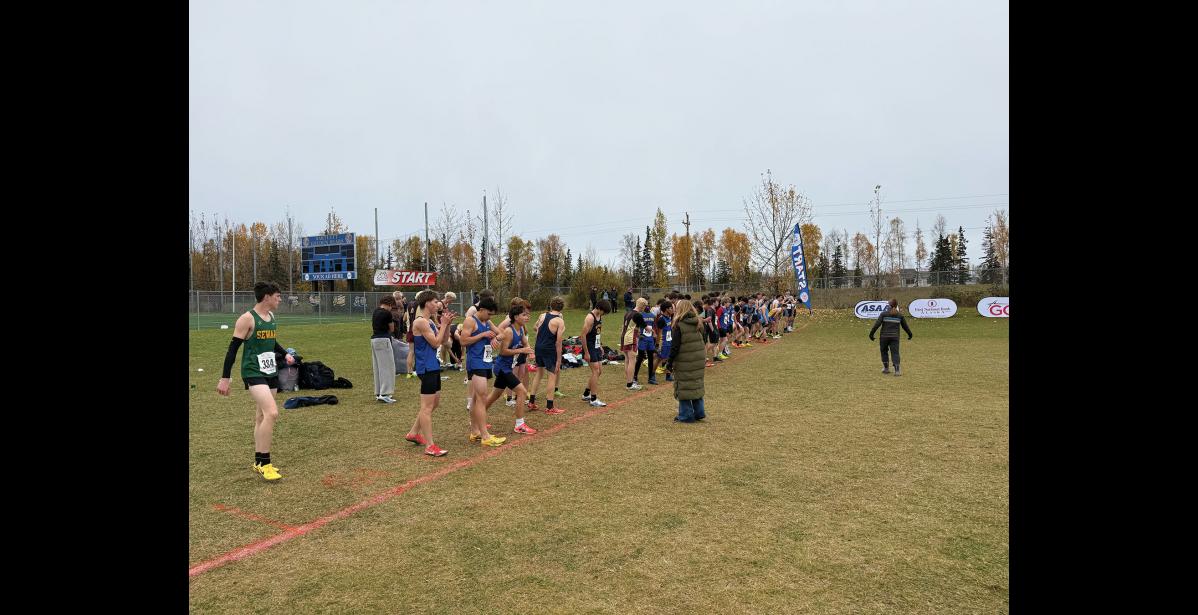 Read on nomenugget.comThe Nome NuggetFlight embargos and USPS staffing issue slow down mail, movement of goods
By Diana Haecker The patience of Nomeites was tried lately as mail, groceries and long-awaited Amazon boxes were slow in arriving in Nome, and by extension in the regional communities. Starting Wednesday, Alaska Airlines stopped accepting cargo shipments to Nome, Kotzebue, Bethel and Utqiagvik until Saturday, citing an unscheduled "maintenance" on one of their five freigthers. This comes after a freight embargo that lasted from Sept. 18 until September 26. “Due to ongoing freighter maintenance, Alaska Air Cargo has extended its temporary embargo on priority and general cargo shipments to Nome, Kotzebue, Bethel and Utqiaġvik/Barrow through September 26,” Alaska Airlines spokesperson Tim Thompson wrote in an email to the Nugget last week. Only Gold Streak shipments were accepted. Three of Alaska Air Cargo’s five freighter airplanes were not operational – one due to scheduled maintenance, two underwent unscheduled maintenance. He said that the embargo allowed Alaska Air Cargo to move existing freight and restore normal service levels as quickly as possible. According to Northern Air Cargo Senior Advisor David Karp, NAC has operated increased flights into Nome and other hubs since the embargo. “Our scheduled service to Nome calls for five flights per week but over the past week we have operated two extra sections with our 737-800,” he said per email to the Nugget. NAC has three Boeing freighter jets in their fleet and added another 737-800 recently. “These larger aircraft add about 10,000 pounds per day in additional capacity for the market,” said Karp. “We have worked hard with local retailers to address supply chain problems and regular deliveries to local grocery stores. We are absolutely committed to improving access to perishables and the things people in Nome and the rest of rural Alaska need and deserve to have.” NAC also moves priority mail to Nome. Bypass mail moves on an “equitable tender” basis, meaning that each carrier is allocated an equal share to move. The USPS is another player in the movement of goods. Handwritten signs at the Nome Post Office counter asked the customers for patience, citing staffing issues. Nome's post office currently has no post master. James Boxrud, spokesman for USPS in Denver, Colorado told the Nome Nugget that the “Nome Post Office has experienced staffing challenges and increased mail volume in recent weeks.” USPS brought in two relief employees from other Alaska communities, and three additional personnel were scheduled to arrive. “We will continue to use these resources, and others as necessary, until the office is fully caught up,” he said. He added that there are two vacant positions at the Nome post office, which were posted on September 15 “as part of our effort to strengthen staffing and improve service consistency for Nome customers,” he said. Finding housing for these relief workers who came from outside of Nome had been a problem, that since has been solved. When customers checked their tracking, oftentimes, packages were stuck in Anchorage. “We are reviewing mail flow between Anchorage and Nome and are working with our transportation and processing teams to verify the status of mail movement and flight availability,” Boxrud said. “We appreciate the community’s patience as we work through these staffing and operational challenges and remain committed to restoring consistent service for Nome customers.” Section: News
Read on nomenugget.comThe Nome NuggetFlight embargos and USPS staffing issue slow down mail, movement of goods
By Diana Haecker The patience of Nomeites was tried lately as mail, groceries and long-awaited Amazon boxes were slow in arriving in Nome, and by extension in the regional communities. Starting Wednesday, Alaska Airlines stopped accepting cargo shipments to Nome, Kotzebue, Bethel and Utqiagvik until Saturday, citing an unscheduled "maintenance" on one of their five freigthers. This comes after a freight embargo that lasted from Sept. 18 until September 26. “Due to ongoing freighter maintenance, Alaska Air Cargo has extended its temporary embargo on priority and general cargo shipments to Nome, Kotzebue, Bethel and Utqiaġvik/Barrow through September 26,” Alaska Airlines spokesperson Tim Thompson wrote in an email to the Nugget last week. Only Gold Streak shipments were accepted. Three of Alaska Air Cargo’s five freighter airplanes were not operational – one due to scheduled maintenance, two underwent unscheduled maintenance. He said that the embargo allowed Alaska Air Cargo to move existing freight and restore normal service levels as quickly as possible. According to Northern Air Cargo Senior Advisor David Karp, NAC has operated increased flights into Nome and other hubs since the embargo. “Our scheduled service to Nome calls for five flights per week but over the past week we have operated two extra sections with our 737-800,” he said per email to the Nugget. NAC has three Boeing freighter jets in their fleet and added another 737-800 recently. “These larger aircraft add about 10,000 pounds per day in additional capacity for the market,” said Karp. “We have worked hard with local retailers to address supply chain problems and regular deliveries to local grocery stores. We are absolutely committed to improving access to perishables and the things people in Nome and the rest of rural Alaska need and deserve to have.” NAC also moves priority mail to Nome. Bypass mail moves on an “equitable tender” basis, meaning that each carrier is allocated an equal share to move. The USPS is another player in the movement of goods. Handwritten signs at the Nome Post Office counter asked the customers for patience, citing staffing issues. Nome's post office currently has no post master. James Boxrud, spokesman for USPS in Denver, Colorado told the Nome Nugget that the “Nome Post Office has experienced staffing challenges and increased mail volume in recent weeks.” USPS brought in two relief employees from other Alaska communities, and three additional personnel were scheduled to arrive. “We will continue to use these resources, and others as necessary, until the office is fully caught up,” he said. He added that there are two vacant positions at the Nome post office, which were posted on September 15 “as part of our effort to strengthen staffing and improve service consistency for Nome customers,” he said. Finding housing for these relief workers who came from outside of Nome had been a problem, that since has been solved. When customers checked their tracking, oftentimes, packages were stuck in Anchorage. “We are reviewing mail flow between Anchorage and Nome and are working with our transportation and processing teams to verify the status of mail movement and flight availability,” Boxrud said. “We appreciate the community’s patience as we work through these staffing and operational challenges and remain committed to restoring consistent service for Nome customers.” Section: News Read on nomenugget.comThe Nome NuggetTeller celebrates its 20th Teller Cultural Festival
Long time organizer announces this was her last year organizing the event By: Diana Haecker The Teller Cultural Festival marked its 20th anniversary this year and the round number comes with a sad connotation: the long time organizer Cora Ablowaluk is stepping back, seeking a successor who would carry on the torch. The first festival was held in 2004, but due to the COVID pandemic, there were a few years that the gathering could not be held. Ablowaluk remembered the genesis of the festival being that the James Isabell School in Teller was brand new and the principal at the time wanted to host a big event. Thus, the Teller Cultural Festival was born, organized by Ablowaluk and Charlene Isabell at the time. The dance festival brings together dance groups from the region, albeit, due to funding constraints many could not attend. A new group called Ilakus, formed by Brian Muktoyuk in Anchorage, was last minute able to attend as NSEDC Teller representative Joe Garnie arranged for funding for airline tickets. This year, dance groups from Brevig Mission, Savoonga, King Island dancers from Nome, the Nome St. Lawrence Island dance group, Diomede and Anchorage attended. The festival began on Friday and lasted until Sunday morning, around 7 a.m., interrupted by a few hours of sleep, breakfast and potlucks. For Cora Ablowaluk, the festival is a connection with people from the region. “I think it brings lots of people together, lots of different cultures. You know, we’re not all the same,” she said. “It’s sharing those songs and dances, and getting to visit with people.” In the big picture, she said, the visiting, sharing of songs and dances, is what the festival is all about. It’s inconceivable that this would go away. While no one has stepped up to fill Ablowaluk’s shoes so far, she said she would help the next person to figure out the budget, coordinate the volunteers and line up sponsors for food, prizes and some travel money. “I’ll help them. I’ll guide them. I’ll teach them. But I can’t be here every minute of the whole weekend,” she said. She added that Teller no longer has regular dance practices as integral dancers and drummers have either died or have moved away. But she sure tries kindles the fire in kids who seem to have a knack for drumming. She purchased two drums for two boys. One boy, she said, had a drum but it fell apart. He then proceeded to take a stick and banged on everything he could find to emulate drumming. “Every time I stepped outside the house, I could hear him singing and beating on something,” she said. Throughout the festival, Ablowaluk’s contributions were celebrated and she was honored with gifts from the dance groups. Next year, she hopes, she’ll be sitting in the bleachers, enjoying the festival and going home to bed when she wants to instead of staying up for three days, making sure that everybody is fed, that the school gym is set up, that the school is cleaned up after hundreds of people came through that weekend. But one would never guess that she hadn’t slept in days, as she smiled at the grand finale in the wee hours of Sunday morning, bringing out more food and bringing the 20th Teller Cultural Festival to a close. Section: News
Read on nomenugget.comThe Nome NuggetTeller celebrates its 20th Teller Cultural Festival
Long time organizer announces this was her last year organizing the event By: Diana Haecker The Teller Cultural Festival marked its 20th anniversary this year and the round number comes with a sad connotation: the long time organizer Cora Ablowaluk is stepping back, seeking a successor who would carry on the torch. The first festival was held in 2004, but due to the COVID pandemic, there were a few years that the gathering could not be held. Ablowaluk remembered the genesis of the festival being that the James Isabell School in Teller was brand new and the principal at the time wanted to host a big event. Thus, the Teller Cultural Festival was born, organized by Ablowaluk and Charlene Isabell at the time. The dance festival brings together dance groups from the region, albeit, due to funding constraints many could not attend. A new group called Ilakus, formed by Brian Muktoyuk in Anchorage, was last minute able to attend as NSEDC Teller representative Joe Garnie arranged for funding for airline tickets. This year, dance groups from Brevig Mission, Savoonga, King Island dancers from Nome, the Nome St. Lawrence Island dance group, Diomede and Anchorage attended. The festival began on Friday and lasted until Sunday morning, around 7 a.m., interrupted by a few hours of sleep, breakfast and potlucks. For Cora Ablowaluk, the festival is a connection with people from the region. “I think it brings lots of people together, lots of different cultures. You know, we’re not all the same,” she said. “It’s sharing those songs and dances, and getting to visit with people.” In the big picture, she said, the visiting, sharing of songs and dances, is what the festival is all about. It’s inconceivable that this would go away. While no one has stepped up to fill Ablowaluk’s shoes so far, she said she would help the next person to figure out the budget, coordinate the volunteers and line up sponsors for food, prizes and some travel money. “I’ll help them. I’ll guide them. I’ll teach them. But I can’t be here every minute of the whole weekend,” she said. She added that Teller no longer has regular dance practices as integral dancers and drummers have either died or have moved away. But she sure tries kindles the fire in kids who seem to have a knack for drumming. She purchased two drums for two boys. One boy, she said, had a drum but it fell apart. He then proceeded to take a stick and banged on everything he could find to emulate drumming. “Every time I stepped outside the house, I could hear him singing and beating on something,” she said. Throughout the festival, Ablowaluk’s contributions were celebrated and she was honored with gifts from the dance groups. Next year, she hopes, she’ll be sitting in the bleachers, enjoying the festival and going home to bed when she wants to instead of staying up for three days, making sure that everybody is fed, that the school gym is set up, that the school is cleaned up after hundreds of people came through that weekend. But one would never guess that she hadn’t slept in days, as she smiled at the grand finale in the wee hours of Sunday morning, bringing out more food and bringing the 20th Teller Cultural Festival to a close. Section: News Read on nomenugget.comThe Nome NuggetMunicipal elections: Two NJUS board candidates state their case
By Diana Haecker On Tuesday, Oct. 6, Nome voters will be casting their ballots for two Nome Common Council seats, two NJUS board seats and two School Board seats. There is no contested seat in this municipal election. Voters also will be casting a ballot for NSEDC’s Nome representative, also an uncontested as incumbent JT Shermon is the only name on the ballot. Nome Common Council Seat A’s incumbent Adam Martinson is running with no challenger. Nome Common Council Seat B is held by Maggie Miller, who decided not to run again. The only candidate for that seat is Randy Oles. NJUS Board Seat B, a two-year seat, is up for election. Incumbent Derek McLarty is the only candidate on the ballot. NJUS Board Seat E, a three-year term, sees no challenger to incumbent and candidate Carl Emmons. School Board seat B, a three-year term, is currently held by Meghan Sigvanna Tapqaq. She runs for re-election unopposed. School Board seat C, is held by David O’Neill, who was appointed and board-confirmed to fill Nancy Mendenhall’s seat, who resigned mid-term. O’Neill fills the position until this election. O’Neill is the only candidate running to fill the remainder of the seat, one year, until the next year’s election cycle. There are no ballot measures in this year’s municipal election. Tuesday, Oct. 6 is municipal election day and in-person voting will take place at Old St. Joe’s Hall at Anvil City Square, starting at 8 a.m. to 8 p.m. Registered voters must reside in Nome to cast their vote for municipal office candidates. Registered voters residing outside of city limits can cast their votes in the NSEDC election. To give voters a better understanding on where candidates stand, the Nugget sent questionnaires via email to each candidate. Nome Common Council candidates Randy Oles and Adam Martinson, as well as school board candidates Meghan Sigvanna Tapqaq and David O’Neill have not returned their answers to the Nugget by press time. Utility Board Seat “B”, Two-year term Incumbent and candidate: Derek McLarty Nome Nugget: Could you please state your motivation to run again for the utility board and what your interest is to continue serving on the board? Derek McLarty: I wouldn’t say interest. I would say duty. I have lived in Nome for 20+ years. I believe the people of Nome should navigate the ship. NJU is a vital part of life in Nome. Being a part of the planning and advancements of our utility are rewarding for myself and the community at large. NN: What are your goals or what would you like to achieve on the NJUS board, if winning the election for another term? Derek McLarty: Winning will be a current budget and all NJU audits completed by year end. From there, I would like to hold that trajectory and keep NJU current and transparent. NN: What are the most pressing issues facing NJUS and how do you propose to help solve them? Derek McLarty: The most pressing issues for NJU are financials/budget. NJU is operating just fine. There is no reason to claim nefarious spending/billing or reasons for outcry. But… we desperately need to get current to prove that statement. NN: Cost of energy is at the forefront of NJUS customers’ minds as fuel prices have increased significantly. What solutions do you propose to make power generation and consumer cost of energy predictable, affordable, and sustainable? Derek McLarty: I believe this question is a little misleading. The cost of energy in Nome has stayed very consistent throughout the last five years. The price of fuel is not controlled by NJU. NJU has not made a tariff/rate increase in many years. Of course, the price of fuel is on everyone’s mind. That isn’t something that NJU has control over. NJU has made advancements in wind and energy storage. All without an increase to the customer. Both of those things save the rate-payer money. NN: Given that the NJUS has been behind on multiple years of audits, do you think the board should play a bigger role in oversight? Derek McLarty: The current state of audits rests solely on the board, period. There are many things that led to the current shortfall. Stripped to its axiom, the board/staff made sure the lights stayed on. Now we need to get current and stay there. NN: Would you be amenable to hold NJUS board meetings at Nome City Hall instead of the powerplant? If not, could you give a reason. Derek McLarty: I have no issue holding meetings anywhere. Historically the city of Nome had issues giving NJU reliable vacancy at city hall. I recall a few meetings at the XYZ and other places due to scheduling conflicts. The powerhouse was a location of necessity, not choice. Utility Board Seat “E”, Three-year term Incumbent and candidate: Carl Emmons Nome Nugget: Could you please state your motivation to run again for the utility board and what your interest is to continue serving on the board? Carl Emmons: That’s pretty easy: Nobody else will. Unfortunately, if nobody runs for city council, for the utility board, the school board that’s an indication that your community is dying. I know quite a bit about the sewer and water system, as I was involved in the building of the powerhouse, so I want to make that knowledge available to the community. NN: What are your goals or what would you like to achieve on the NJUS board, if winning the election for another term? Carl Emmons: I want to not lose any more local control and involvement in our utility system. NN: What are the most pressing issues facing NJUS and how do you propose to help solve them? Carl Emmons: The most pressing issue right now is our financial situation. I think that we’re adding cost to our ratepayers’ rates by not paying attention to business. NN: Cost of energy is at the forefront of NJUS customers’ minds with high fuel prices. What solutions do you propose to make power generation and consumer cost of energy predictable, affordable, and sustainable? Carl Emmons: I think just running the financial end of it as efficiently as we can, is really the best thing we can do. That means: getting fuel loans in a timely manner and getting a bond for them and not making the financing cost more by putting it off. NN: Given that the NJUS has been behind on multiple years of audits, do you think the board should play a bigger role in oversight? Carl Emmons: Yes, I think so. It’s way too easy just to say ‘Let somebody else do it. You know, oh, we’ll just let management do it’. Well, when management doesn’t do it, then we’ve got to do something else. I’m just tired of being lied to. The board, without a doubt, is going to have to be more involved. It’s not working the way it is. NN: Would you be amenable to hold NJUS board meetings at Nome City Hall instead of the powerplant? If not, could you give a reason. Carl Emmons: I really don’t care, and this is why: After years and years of serving on the utility board, I see that nobody is coming to our meetings. When there is interest, it helps the board. And when nobody shows up, meeting after meeting after meeting, then it becomes really easy for management just to cancel the meetings. What the board understands, me included, is that we can’t have a meeting without advertising it 24 hours in advance, and of course that’s been left up to management. The meetings were moved to the powerhouse because sometimes the city would give away our meeting space at council chambers and moved our meeting elsewhere. But if council chambers are more convenient for the utility or people to do it, I don’t mind that. Section: News
Read on nomenugget.comThe Nome NuggetMunicipal elections: Two NJUS board candidates state their case
By Diana Haecker On Tuesday, Oct. 6, Nome voters will be casting their ballots for two Nome Common Council seats, two NJUS board seats and two School Board seats. There is no contested seat in this municipal election. Voters also will be casting a ballot for NSEDC’s Nome representative, also an uncontested as incumbent JT Shermon is the only name on the ballot. Nome Common Council Seat A’s incumbent Adam Martinson is running with no challenger. Nome Common Council Seat B is held by Maggie Miller, who decided not to run again. The only candidate for that seat is Randy Oles. NJUS Board Seat B, a two-year seat, is up for election. Incumbent Derek McLarty is the only candidate on the ballot. NJUS Board Seat E, a three-year term, sees no challenger to incumbent and candidate Carl Emmons. School Board seat B, a three-year term, is currently held by Meghan Sigvanna Tapqaq. She runs for re-election unopposed. School Board seat C, is held by David O’Neill, who was appointed and board-confirmed to fill Nancy Mendenhall’s seat, who resigned mid-term. O’Neill fills the position until this election. O’Neill is the only candidate running to fill the remainder of the seat, one year, until the next year’s election cycle. There are no ballot measures in this year’s municipal election. Tuesday, Oct. 6 is municipal election day and in-person voting will take place at Old St. Joe’s Hall at Anvil City Square, starting at 8 a.m. to 8 p.m. Registered voters must reside in Nome to cast their vote for municipal office candidates. Registered voters residing outside of city limits can cast their votes in the NSEDC election. To give voters a better understanding on where candidates stand, the Nugget sent questionnaires via email to each candidate. Nome Common Council candidates Randy Oles and Adam Martinson, as well as school board candidates Meghan Sigvanna Tapqaq and David O’Neill have not returned their answers to the Nugget by press time. Utility Board Seat “B”, Two-year term Incumbent and candidate: Derek McLarty Nome Nugget: Could you please state your motivation to run again for the utility board and what your interest is to continue serving on the board? Derek McLarty: I wouldn’t say interest. I would say duty. I have lived in Nome for 20+ years. I believe the people of Nome should navigate the ship. NJU is a vital part of life in Nome. Being a part of the planning and advancements of our utility are rewarding for myself and the community at large. NN: What are your goals or what would you like to achieve on the NJUS board, if winning the election for another term? Derek McLarty: Winning will be a current budget and all NJU audits completed by year end. From there, I would like to hold that trajectory and keep NJU current and transparent. NN: What are the most pressing issues facing NJUS and how do you propose to help solve them? Derek McLarty: The most pressing issues for NJU are financials/budget. NJU is operating just fine. There is no reason to claim nefarious spending/billing or reasons for outcry. But… we desperately need to get current to prove that statement. NN: Cost of energy is at the forefront of NJUS customers’ minds as fuel prices have increased significantly. What solutions do you propose to make power generation and consumer cost of energy predictable, affordable, and sustainable? Derek McLarty: I believe this question is a little misleading. The cost of energy in Nome has stayed very consistent throughout the last five years. The price of fuel is not controlled by NJU. NJU has not made a tariff/rate increase in many years. Of course, the price of fuel is on everyone’s mind. That isn’t something that NJU has control over. NJU has made advancements in wind and energy storage. All without an increase to the customer. Both of those things save the rate-payer money. NN: Given that the NJUS has been behind on multiple years of audits, do you think the board should play a bigger role in oversight? Derek McLarty: The current state of audits rests solely on the board, period. There are many things that led to the current shortfall. Stripped to its axiom, the board/staff made sure the lights stayed on. Now we need to get current and stay there. NN: Would you be amenable to hold NJUS board meetings at Nome City Hall instead of the powerplant? If not, could you give a reason. Derek McLarty: I have no issue holding meetings anywhere. Historically the city of Nome had issues giving NJU reliable vacancy at city hall. I recall a few meetings at the XYZ and other places due to scheduling conflicts. The powerhouse was a location of necessity, not choice. Utility Board Seat “E”, Three-year term Incumbent and candidate: Carl Emmons Nome Nugget: Could you please state your motivation to run again for the utility board and what your interest is to continue serving on the board? Carl Emmons: That’s pretty easy: Nobody else will. Unfortunately, if nobody runs for city council, for the utility board, the school board that’s an indication that your community is dying. I know quite a bit about the sewer and water system, as I was involved in the building of the powerhouse, so I want to make that knowledge available to the community. NN: What are your goals or what would you like to achieve on the NJUS board, if winning the election for another term? Carl Emmons: I want to not lose any more local control and involvement in our utility system. NN: What are the most pressing issues facing NJUS and how do you propose to help solve them? Carl Emmons: The most pressing issue right now is our financial situation. I think that we’re adding cost to our ratepayers’ rates by not paying attention to business. NN: Cost of energy is at the forefront of NJUS customers’ minds with high fuel prices. What solutions do you propose to make power generation and consumer cost of energy predictable, affordable, and sustainable? Carl Emmons: I think just running the financial end of it as efficiently as we can, is really the best thing we can do. That means: getting fuel loans in a timely manner and getting a bond for them and not making the financing cost more by putting it off. NN: Given that the NJUS has been behind on multiple years of audits, do you think the board should play a bigger role in oversight? Carl Emmons: Yes, I think so. It’s way too easy just to say ‘Let somebody else do it. You know, oh, we’ll just let management do it’. Well, when management doesn’t do it, then we’ve got to do something else. I’m just tired of being lied to. The board, without a doubt, is going to have to be more involved. It’s not working the way it is. NN: Would you be amenable to hold NJUS board meetings at Nome City Hall instead of the powerplant? If not, could you give a reason. Carl Emmons: I really don’t care, and this is why: After years and years of serving on the utility board, I see that nobody is coming to our meetings. When there is interest, it helps the board. And when nobody shows up, meeting after meeting after meeting, then it becomes really easy for management just to cancel the meetings. What the board understands, me included, is that we can’t have a meeting without advertising it 24 hours in advance, and of course that’s been left up to management. The meetings were moved to the powerhouse because sometimes the city would give away our meeting space at council chambers and moved our meeting elsewhere. But if council chambers are more convenient for the utility or people to do it, I don’t mind that. Section: News Read on nomenugget.comThe Nome NuggetCouncil tables pulltab ordinance overhaul
By Diana Haecker A conflict of interest question brought efforts to overhaul the City of Nome’s pull-tabs ordinance to a screeching halt as the Nome Common Council was getting ready to vote on it in first reading, during Monday’s regular council meeting. Council member Scot Henderson requested that anyone in the council, including the mayor, state on the record that they have a conflict of interest. When no such statement came forward, Henderson said that he believes that Mayor Hughes, who also is the president of the Nome Chamber of Commerce, which stands to gain a “substantial increase in their income” from this ordinance, has a conflict of interest. When Henderson asked Hughes point blank if he things that he has a conflict of interest, Hughes answered: “I would have to study the definition to know how to answer that.” Procedurally this posed a conundrum as the mayor is normally the authority to decide whether a conflict of interest exists. Nobody in the room knew the answer to the question how to proceed when the mayor potentially has a conflict of interest. After much discussion, the council tasked staff to obtain a legal opinion on the potential conflict of interest and voted to table the ordinance. This proved disappointing to the crowd in the audience that felt the conflict of interest declaration was premature as the decisive vote happens in second reading. The council chamber was full with representatives from the town’s nonprofits who stood ready to support the ordinance which seeks to replace sales taxes levied on pull-tabs – a significant way to raise funds for charitable and civic purposes – with an excise tax and then exempt the pull-tabs ideal net from this excise tax. The city would lose between $320,000 and $355,000 annually in tax revenue. But the nonprofits would improve their currently slim profit margins, which would position them well to support their civic missions. The nonprofits, the argument went, would infuse the pull-tab proceeds 100 percent back into the community in support of their charitable missions, thus lessening the likelihood that these nonprofits would come to the city asking for financial support. In other business, City Clerk Dan Grimmer swore in the new student representative Lane Schuerch. The council also heard from the Jason Brune, the chairman of the Alaska Permanent Fund Corporation’s board of trustees, which is holding its board meeting this week in Nome. Kawerak’s Anahma Shannon updated the council on the recycling center project involving the complete renovation of the Monofill building. Utilities Manager John Handeland reported that the final fuel delivery is expected next week. “We’re still waiting for the final pricing on the fuel, but it definitely is more expensive than last year,” he said. Section: News
Read on nomenugget.comThe Nome NuggetCouncil tables pulltab ordinance overhaul
By Diana Haecker A conflict of interest question brought efforts to overhaul the City of Nome’s pull-tabs ordinance to a screeching halt as the Nome Common Council was getting ready to vote on it in first reading, during Monday’s regular council meeting. Council member Scot Henderson requested that anyone in the council, including the mayor, state on the record that they have a conflict of interest. When no such statement came forward, Henderson said that he believes that Mayor Hughes, who also is the president of the Nome Chamber of Commerce, which stands to gain a “substantial increase in their income” from this ordinance, has a conflict of interest. When Henderson asked Hughes point blank if he things that he has a conflict of interest, Hughes answered: “I would have to study the definition to know how to answer that.” Procedurally this posed a conundrum as the mayor is normally the authority to decide whether a conflict of interest exists. Nobody in the room knew the answer to the question how to proceed when the mayor potentially has a conflict of interest. After much discussion, the council tasked staff to obtain a legal opinion on the potential conflict of interest and voted to table the ordinance. This proved disappointing to the crowd in the audience that felt the conflict of interest declaration was premature as the decisive vote happens in second reading. The council chamber was full with representatives from the town’s nonprofits who stood ready to support the ordinance which seeks to replace sales taxes levied on pull-tabs – a significant way to raise funds for charitable and civic purposes – with an excise tax and then exempt the pull-tabs ideal net from this excise tax. The city would lose between $320,000 and $355,000 annually in tax revenue. But the nonprofits would improve their currently slim profit margins, which would position them well to support their civic missions. The nonprofits, the argument went, would infuse the pull-tab proceeds 100 percent back into the community in support of their charitable missions, thus lessening the likelihood that these nonprofits would come to the city asking for financial support. In other business, City Clerk Dan Grimmer swore in the new student representative Lane Schuerch. The council also heard from the Jason Brune, the chairman of the Alaska Permanent Fund Corporation’s board of trustees, which is holding its board meeting this week in Nome. Kawerak’s Anahma Shannon updated the council on the recycling center project involving the complete renovation of the Monofill building. Utilities Manager John Handeland reported that the final fuel delivery is expected next week. “We’re still waiting for the final pricing on the fuel, but it definitely is more expensive than last year,” he said. Section: News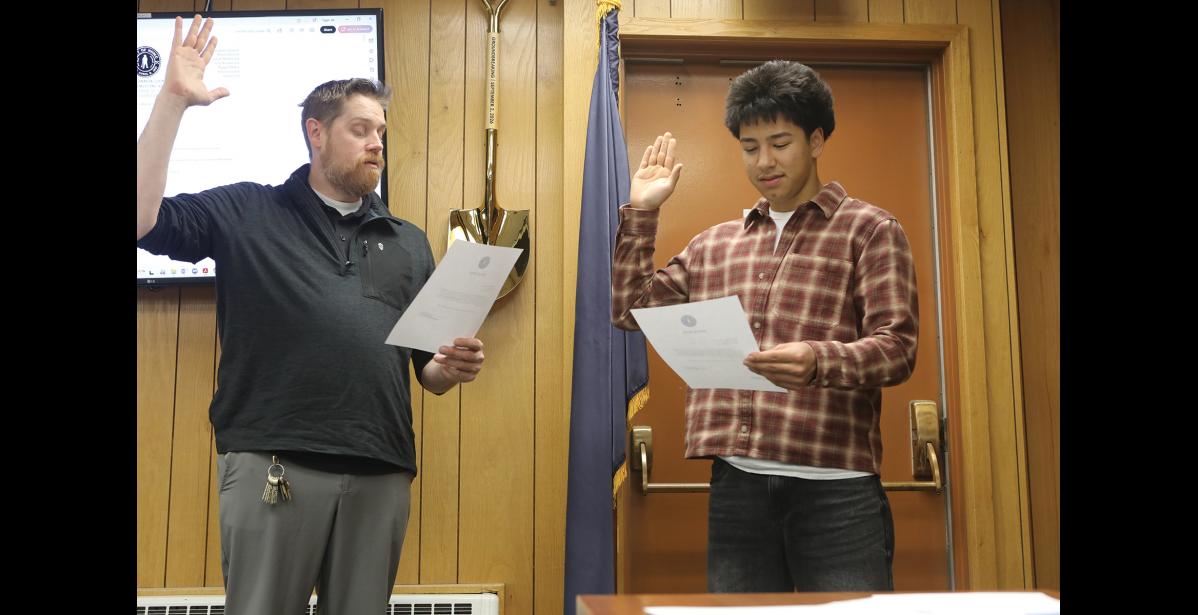 Read on nomenugget.comThe Nome NuggetANSEP starts second year in a new location
By Ariana Crockett O’Harra Last Friday, in a parking lot behind the UAF Northwest Campus, a group of Nome ANSEP Acceleration Academy students next to a bright orange van were working to assemble a basketball hoop. Inside, other students were quietly working on classwork. Last year, a group of parents got together, fundraising about $100,000 to start Nome’s ANSEP Acceleration Academy. ANSEP is funded through the State of Alaska, University of Alaska, and donations from strategic community, corporate, and philanthropic partners. Eleven students started last year at the Nome-Beltz Middle High School campus. This year, the program has 16 students and had relocated to a bright, warm building at the UAF Northwest Campus. ANSEP, which stands for Alaska Native Science and Engineering Program, is a program that started in the mid-1990s as a scholarship opportunity for one Alaska Native student. Now, it has grown to provide programs for students from kindergarten to a PhD. The students at Nome’s ANSEP Acceleration Academy are enrolled at Nome Public Schools and are full-time university students. “Monday through Thursday are classes, and then our Fridays are cultural, art, STEM, community engagement, community service – students have 20 hours of community service every semester to finish and complete,” said Academy Director Kacey Miller. Students take college courses that also count for high school graduation requirements. “It’s called an acceleration academy because they’re accelerating through the high school graduation requirements so much quicker than out at Beltz,” explained Miller. Jimmy Nderitu, a senior, is in his second year at ANSEP, and said the courses at ANSEP offer a different set of challenges than what he took before. “They’re not harder, but there’s more you need to do,” he said. “You need to be dialed in because if you just rest easy, you won’t get the job done, and you might just kind of fall out of it. So you just gotta be locked in most of the time.” Max Breuker is a freshman, in his first year at ANSEP. He has a different take. Breuker said the courses are more difficult than his middle school courses, but still enjoyable. “Getting to do work on your own time – that’s nice, as long as you’re on top of it, because that gives you a lot of free time if you complete your assignments early,” he said. “I’ve learned to not procrastinate as much.” Both students said ANSEP offers a lot more freedom, but with that comes a lot more personal responsibility. “It definitely puts a lot more pressure on you as a freshman, but I feel like that’s just going to get easier over time,” said Breuker. The responsibility is worth it to them. By being dual-enrolled, the students will hit their high school graduation with many of their college courses out of the way. Breuker said he’ll be able to graduate high school with an associate’s degree. Nderitu wants to be a psychologist. By being dual-enrolled, he’s got that much more college coursework under his belt before he graduates high school. “They’re open to help me personally to reach my goal,” he said. “It’s like accelerating at a super high rate.” Despite being located off-campus, the students at the acceleration academy are still active in the Nome-Beltz community. Many of the ANSEP students are on student council, participate in sports and were honored at Nome-Beltz’ Honor Roll Luncheon last week. Nderitu said that he does not feel like he’s missing out by not being at Nome-Beltz. “We do get to go over there for events, lunchtime,” he said. “We still do interact with them.” Out of the 43 students honored at the Honor Roll Luncheon, eight were ANSEP students. Nome-Beltz does not weight GPAs, so the four ANSEP students that achieved a 4.0 last semester – Renee Brown, Sage Gregg, Levi Pederson and Rose Paniptchuk – earned straight As in their college courses. ANSEP students are allowed to be as involved with the Nome-Beltz community as much as they want, and the program tries to drive decision making by what the students prefer. “It’s an optional lunch. If they want to go to Beltz, they can. If they want to stay here, they can,” explained Miller. “We have an open campus. If they want to take electives at Beltz, they can. We can work around their schedules and do as much as we can to reflect that.” The students aren’t on their own. Students at the acceleration academy have access to the same resources university students at the UAF campus have, as well as ANSEP-specific resources like a counselor. “We understand it’s an additional responsibility when you’re a young individual taking college level courses,” said Miller. “It’s definitely a multi-faceted support approach for students.” “There’s some freedom and liberty and responsibilities, but we also have some programmatic requirements where you have to keep working with a tutor when you’re taking a math class,” added Miller. Section: Education
Read on nomenugget.comThe Nome NuggetANSEP starts second year in a new location
By Ariana Crockett O’Harra Last Friday, in a parking lot behind the UAF Northwest Campus, a group of Nome ANSEP Acceleration Academy students next to a bright orange van were working to assemble a basketball hoop. Inside, other students were quietly working on classwork. Last year, a group of parents got together, fundraising about $100,000 to start Nome’s ANSEP Acceleration Academy. ANSEP is funded through the State of Alaska, University of Alaska, and donations from strategic community, corporate, and philanthropic partners. Eleven students started last year at the Nome-Beltz Middle High School campus. This year, the program has 16 students and had relocated to a bright, warm building at the UAF Northwest Campus. ANSEP, which stands for Alaska Native Science and Engineering Program, is a program that started in the mid-1990s as a scholarship opportunity for one Alaska Native student. Now, it has grown to provide programs for students from kindergarten to a PhD. The students at Nome’s ANSEP Acceleration Academy are enrolled at Nome Public Schools and are full-time university students. “Monday through Thursday are classes, and then our Fridays are cultural, art, STEM, community engagement, community service – students have 20 hours of community service every semester to finish and complete,” said Academy Director Kacey Miller. Students take college courses that also count for high school graduation requirements. “It’s called an acceleration academy because they’re accelerating through the high school graduation requirements so much quicker than out at Beltz,” explained Miller. Jimmy Nderitu, a senior, is in his second year at ANSEP, and said the courses at ANSEP offer a different set of challenges than what he took before. “They’re not harder, but there’s more you need to do,” he said. “You need to be dialed in because if you just rest easy, you won’t get the job done, and you might just kind of fall out of it. So you just gotta be locked in most of the time.” Max Breuker is a freshman, in his first year at ANSEP. He has a different take. Breuker said the courses are more difficult than his middle school courses, but still enjoyable. “Getting to do work on your own time – that’s nice, as long as you’re on top of it, because that gives you a lot of free time if you complete your assignments early,” he said. “I’ve learned to not procrastinate as much.” Both students said ANSEP offers a lot more freedom, but with that comes a lot more personal responsibility. “It definitely puts a lot more pressure on you as a freshman, but I feel like that’s just going to get easier over time,” said Breuker. The responsibility is worth it to them. By being dual-enrolled, the students will hit their high school graduation with many of their college courses out of the way. Breuker said he’ll be able to graduate high school with an associate’s degree. Nderitu wants to be a psychologist. By being dual-enrolled, he’s got that much more college coursework under his belt before he graduates high school. “They’re open to help me personally to reach my goal,” he said. “It’s like accelerating at a super high rate.” Despite being located off-campus, the students at the acceleration academy are still active in the Nome-Beltz community. Many of the ANSEP students are on student council, participate in sports and were honored at Nome-Beltz’ Honor Roll Luncheon last week. Nderitu said that he does not feel like he’s missing out by not being at Nome-Beltz. “We do get to go over there for events, lunchtime,” he said. “We still do interact with them.” Out of the 43 students honored at the Honor Roll Luncheon, eight were ANSEP students. Nome-Beltz does not weight GPAs, so the four ANSEP students that achieved a 4.0 last semester – Renee Brown, Sage Gregg, Levi Pederson and Rose Paniptchuk – earned straight As in their college courses. ANSEP students are allowed to be as involved with the Nome-Beltz community as much as they want, and the program tries to drive decision making by what the students prefer. “It’s an optional lunch. If they want to go to Beltz, they can. If they want to stay here, they can,” explained Miller. “We have an open campus. If they want to take electives at Beltz, they can. We can work around their schedules and do as much as we can to reflect that.” The students aren’t on their own. Students at the acceleration academy have access to the same resources university students at the UAF campus have, as well as ANSEP-specific resources like a counselor. “We understand it’s an additional responsibility when you’re a young individual taking college level courses,” said Miller. “It’s definitely a multi-faceted support approach for students.” “There’s some freedom and liberty and responsibilities, but we also have some programmatic requirements where you have to keep working with a tutor when you’re taking a math class,” added Miller. Section: Education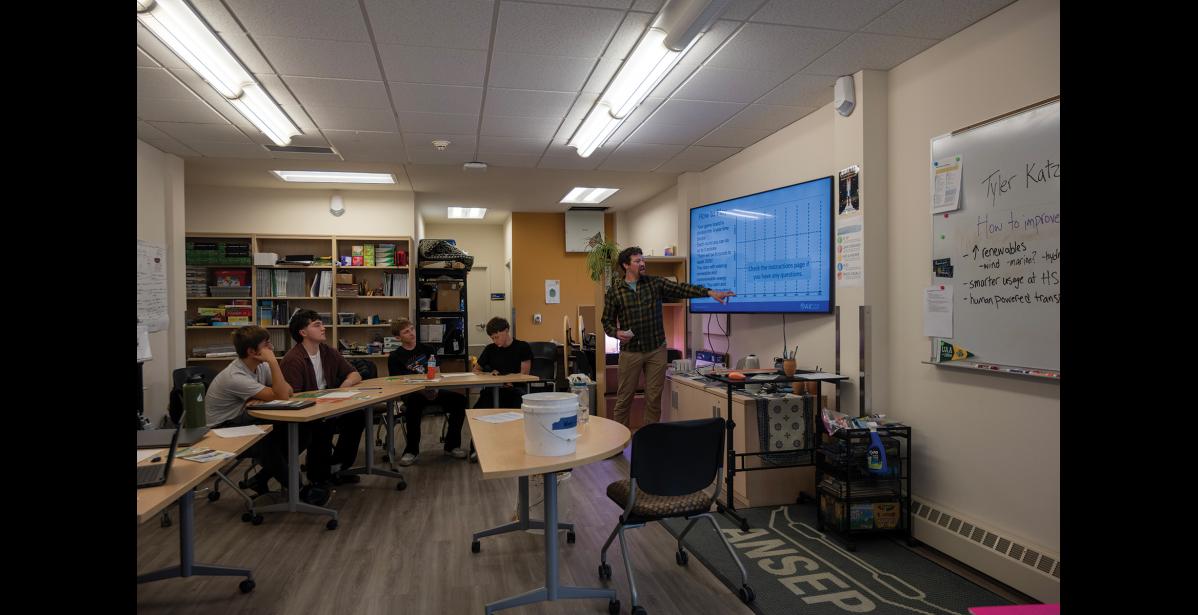 Read on nomenugget.comThe Nome NuggetAlaska Air Cargo embargoes freight to Nome
Alaska Airlines has again put an embargo on freight shipped to Nome from Anchorage until September 26. According to Alaska Air spokesperson Tim Thompson, the embargo began September 18. "Due to ongoing freighter maintenance, Alaska Air Cargo has extended its temporary embargo on priority and general cargo shipments to Nome, Kotzebue, Bethel and Utqiaġvik/Barrow through September 26," he wrote in an email to the Nugget. "Gold Streak shipments continue to be accepted."
He said that the embargo allows Alaska Air Cargo to move existing freight and restore normal service levels as quickly as possible. "We apologize for the disruption and appreciate our customers’ patience as we work to return our freighters to service," said Thompson.
Section:
News
Read on nomenugget.comThe Nome NuggetAlaska Air Cargo embargoes freight to Nome
Alaska Airlines has again put an embargo on freight shipped to Nome from Anchorage until September 26. According to Alaska Air spokesperson Tim Thompson, the embargo began September 18. "Due to ongoing freighter maintenance, Alaska Air Cargo has extended its temporary embargo on priority and general cargo shipments to Nome, Kotzebue, Bethel and Utqiaġvik/Barrow through September 26," he wrote in an email to the Nugget. "Gold Streak shipments continue to be accepted."
He said that the embargo allows Alaska Air Cargo to move existing freight and restore normal service levels as quickly as possible. "We apologize for the disruption and appreciate our customers’ patience as we work to return our freighters to service," said Thompson.
Section:
News Read on nomenugget.comThe Nome NuggetQuyanna Care Center celebrates expansion
By Ariana Crockett O’Harra
On September 17, a crowd of patients, families and Norton Sound Health Corporation board members gathered in the newly expanded Quyanna Care Center, or QCC, to celebrate the ribbon cutting of the new space.
Section:
News
Read on nomenugget.comThe Nome NuggetQuyanna Care Center celebrates expansion
By Ariana Crockett O’Harra
On September 17, a crowd of patients, families and Norton Sound Health Corporation board members gathered in the newly expanded Quyanna Care Center, or QCC, to celebrate the ribbon cutting of the new space.
Section:
News Read on nomenugget.comThe Nome NuggetPort commission discussion on storage space draws crowd
By Ariana Crockett O'Harra
Last week’s meeting of the Nome Port Commission was well attended by those with opinions on what to do about the storage issue on the lower industrial pad at the Port of Nome. In a work session before the meeting, over a dozen port users piped up from the audience with varying options for what to do about the storage issue.
Section:
News
Read on nomenugget.comThe Nome NuggetPort commission discussion on storage space draws crowd
By Ariana Crockett O'Harra
Last week’s meeting of the Nome Port Commission was well attended by those with opinions on what to do about the storage issue on the lower industrial pad at the Port of Nome. In a work session before the meeting, over a dozen port users piped up from the audience with varying options for what to do about the storage issue.
Section:
News Read on nomenugget.comThe Nome NuggetLet's speak Inupiaq: Attendees gather for Inupiaraaqta 2026
By Ariana Crockett O’Harra
On September 10, a row of high schoolers seated in the King Island Native Community Hall introduced themselves hesitantly in Inupiaq, listing off the names of their parents, grandparents and where they lived. The students were attending part of Inupiaraaqta, an Inupiaq language conference hosted by Kissaq Kingikmiuraguqtuat.
Section:
News
Read on nomenugget.comThe Nome NuggetLet's speak Inupiaq: Attendees gather for Inupiaraaqta 2026
By Ariana Crockett O’Harra
On September 10, a row of high schoolers seated in the King Island Native Community Hall introduced themselves hesitantly in Inupiaq, listing off the names of their parents, grandparents and where they lived. The students were attending part of Inupiaraaqta, an Inupiaq language conference hosted by Kissaq Kingikmiuraguqtuat.
Section:
News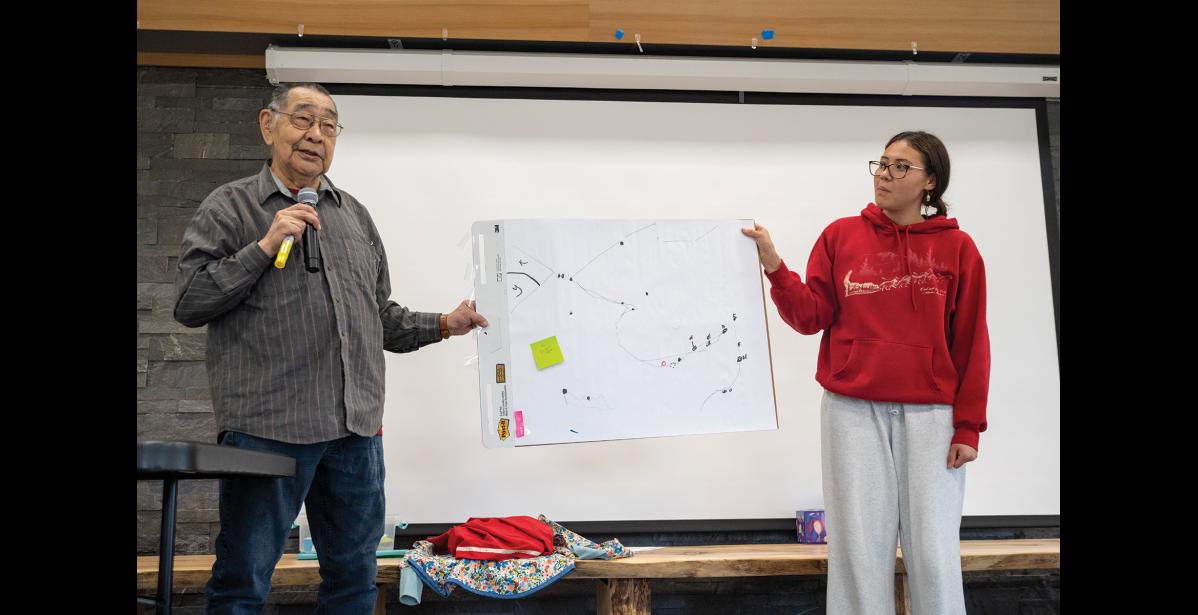 Read on nomenugget.comThe Nome NuggetCouncil ok’s land lease to NSEDC
By Diana Haecker
The Nome Common Council was split on passing an ordinance in second reading that leases city property at the small boat harbor to Norton Sound Economic Development. It was not the lease itself that caused vigorous debate prior to the split vote, it was the process that seemed dubious and not transparent to some council members.
Section:
News
Read on nomenugget.comThe Nome NuggetCouncil ok’s land lease to NSEDC
By Diana Haecker
The Nome Common Council was split on passing an ordinance in second reading that leases city property at the small boat harbor to Norton Sound Economic Development. It was not the lease itself that caused vigorous debate prior to the split vote, it was the process that seemed dubious and not transparent to some council members.
Section:
News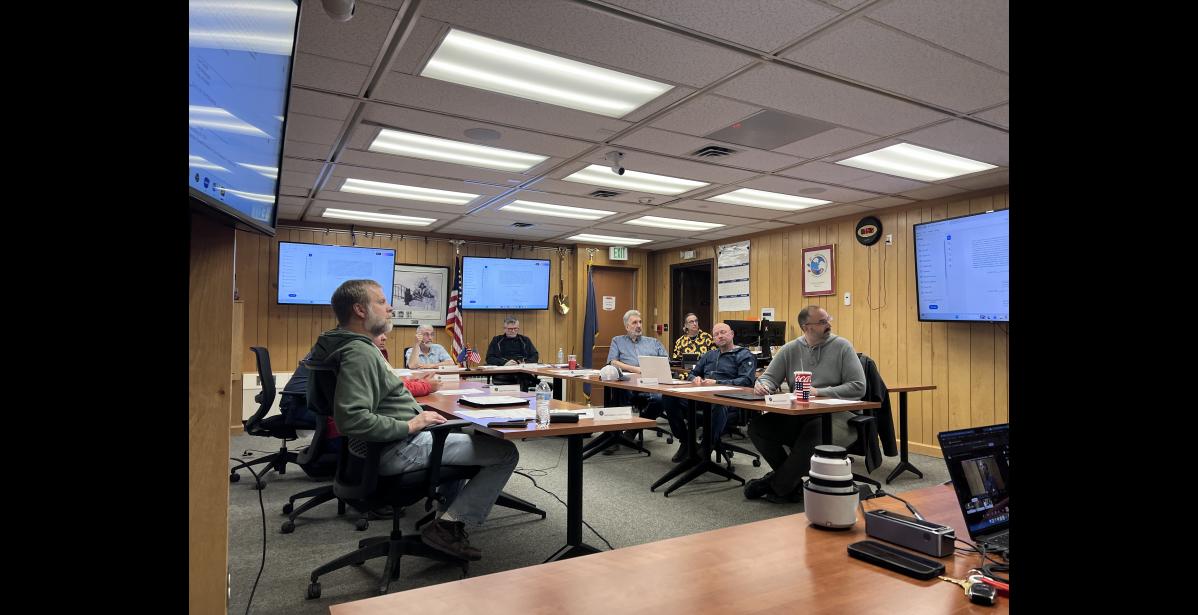 Read on nomenugget.comThe Nome NuggetFall moose hunt wraps up fast
By Ariana Crockett O’Harra
Nome’s moose hunting season wrapped up fast. Good weather in the first few days of September may have contributed to the fast harvest in Game Units 22C and 22D Kuzitrin/Southwest.
Section:
News
Read on nomenugget.comThe Nome NuggetFall moose hunt wraps up fast
By Ariana Crockett O’Harra
Nome’s moose hunting season wrapped up fast. Good weather in the first few days of September may have contributed to the fast harvest in Game Units 22C and 22D Kuzitrin/Southwest.
Section:
News Read on nomenugget.comThe Nome NuggetNome XC team competes in Kotzebue
/
The Nanook Cross Country team traveled to Kotzebue last weekend to compete in the Kotzebue Invitational. The traveling team consisted of eight high school boys, four high school girls, three middle school girls and one middle school boy.
When the Nanooks arrived in Kotzebue, winds were blowing at more than 20 mph. The team prepared for the race and walked the course while battling the strong winds. By race time, the wind had stopped but the rain had arrived.
The race included runners from Ambler, Buckland, Deering, Kiana, Kotzebue, Noatak, Noorvik, Selawik and Shishmaref.
A four-wheeler led the race, with its lights easily visible from the finish line. Bystanders crowded the bridge and finishing chute, cheering on runners from communities throughout the region. Runners arrived at the finish line wet with rain, and legs covered in mud from the puddled terrain.
Despite the challenging conditions, the Nanooks continued to push through and turned in an impressive set of results. One runner in particular, Lexi Blandford, showed incredible resilience and determination when her shoe became stuck in the mud during the race. Rather than stopping, she continued running with one shoe and one sock. Her determination earned her a personal record and demonstrated the strength and Nanook Pride of the team.
The Nanooks had an especially successful day in the team competition, with the middle school girls, high school girls, and high school boys each taking first place team awards. Many of the Nanook runners also earned personal record times. Throughout the meet, runners from each age group could be seen cheering one another on and offering encouragement not only to their teammates, but to racers from communities throughout the region.
Coach Tobin Hobbs said, “All the kids are right on schedule for an amazing season and have been putting in the work.” The Nanooks train in all types of weather, rain or shine, and their hard work and team spirit were on full display in Kotzebue.
Middle School Girls: 2. Ella Hubert; 5. Demi Pantelis; 7. Lexi Blandford
Middle School Boys: 4. Max Pardee
High School Girls: 2. Noel Pardee; 4. Piper Lewis; 7. Audrey Bruner Alvanna; 8. Neveah White
High School Boys: 1. Granite Peacock; 3. Rowan Moore; 4. Gabriel Tran; 6. Dade Ellanna; 9. Tyler Ellanna; 10. Keegan Musich; 12. Karver Otton; 15. Michael Koelsch
Complete results are posted in the Cross Country section of athletic.net
Section:
Sports
Read on nomenugget.comThe Nome NuggetNome XC team competes in Kotzebue
/
The Nanook Cross Country team traveled to Kotzebue last weekend to compete in the Kotzebue Invitational. The traveling team consisted of eight high school boys, four high school girls, three middle school girls and one middle school boy.
When the Nanooks arrived in Kotzebue, winds were blowing at more than 20 mph. The team prepared for the race and walked the course while battling the strong winds. By race time, the wind had stopped but the rain had arrived.
The race included runners from Ambler, Buckland, Deering, Kiana, Kotzebue, Noatak, Noorvik, Selawik and Shishmaref.
A four-wheeler led the race, with its lights easily visible from the finish line. Bystanders crowded the bridge and finishing chute, cheering on runners from communities throughout the region. Runners arrived at the finish line wet with rain, and legs covered in mud from the puddled terrain.
Despite the challenging conditions, the Nanooks continued to push through and turned in an impressive set of results. One runner in particular, Lexi Blandford, showed incredible resilience and determination when her shoe became stuck in the mud during the race. Rather than stopping, she continued running with one shoe and one sock. Her determination earned her a personal record and demonstrated the strength and Nanook Pride of the team.
The Nanooks had an especially successful day in the team competition, with the middle school girls, high school girls, and high school boys each taking first place team awards. Many of the Nanook runners also earned personal record times. Throughout the meet, runners from each age group could be seen cheering one another on and offering encouragement not only to their teammates, but to racers from communities throughout the region.
Coach Tobin Hobbs said, “All the kids are right on schedule for an amazing season and have been putting in the work.” The Nanooks train in all types of weather, rain or shine, and their hard work and team spirit were on full display in Kotzebue.
Middle School Girls: 2. Ella Hubert; 5. Demi Pantelis; 7. Lexi Blandford
Middle School Boys: 4. Max Pardee
High School Girls: 2. Noel Pardee; 4. Piper Lewis; 7. Audrey Bruner Alvanna; 8. Neveah White
High School Boys: 1. Granite Peacock; 3. Rowan Moore; 4. Gabriel Tran; 6. Dade Ellanna; 9. Tyler Ellanna; 10. Keegan Musich; 12. Karver Otton; 15. Michael Koelsch
Complete results are posted in the Cross Country section of athletic.net
Section:
Sports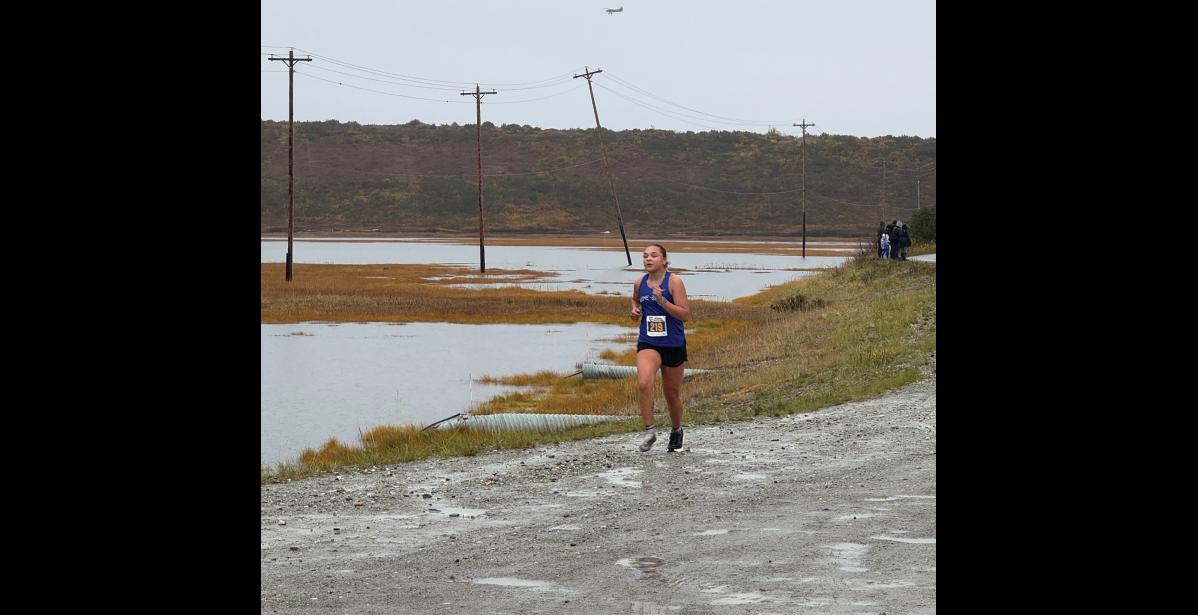 Read on nomenugget.comThe Nome NuggetVolleyball: Nanook JV, varsity defeat Kotzebue Huskies
By Ariana Crockett O'Harra
The Lady Nanooks faced off against the Kotzebue Huskies last Saturday at the Nome-Beltz High School gym. In a sweep, both the junior varsity and varsity Nanooks defeated the Huskies twice. The teams played in games early on Saturday afternoon and then for another round on Saturday evening.
Section:
Sports
Read on nomenugget.comThe Nome NuggetVolleyball: Nanook JV, varsity defeat Kotzebue Huskies
By Ariana Crockett O'Harra
The Lady Nanooks faced off against the Kotzebue Huskies last Saturday at the Nome-Beltz High School gym. In a sweep, both the junior varsity and varsity Nanooks defeated the Huskies twice. The teams played in games early on Saturday afternoon and then for another round on Saturday evening.
Section:
Sports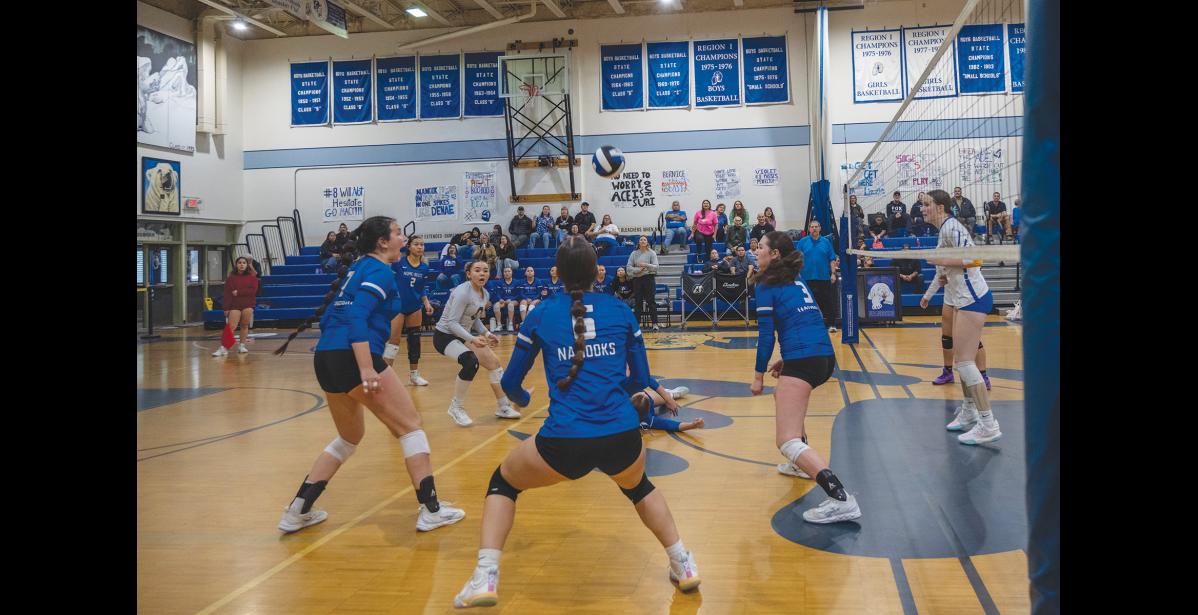 Read on nomenugget.com
OlenHub shows what Nome Nugget publishes about Nome. OlenHub is not Nome Nugget — for anything official, contact them directly.
Their website ↗